
Two years ago, the Australian Centre for Photography was forced by the pandemic to close its doors. Now it is to be reborn as Powerhouse Photography after giving its priceless collection of images, plus funds totalling $1.6 million, to the Museum of Arts and Applied Sciences.
The ACP, established in 1974, helped launch the careers of luminaries including Bill Henson and Tracey Moffatt and holds work in its huge collection from Henri Mallard, Olive Cotton and Max Dupain.
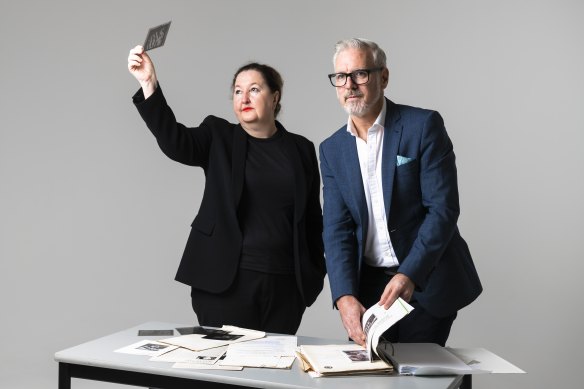
Powerhouse Museum chief executive Lisa Havilah and Australian Centre for Photography chairman Michael Blomfield at the Powerhouse.Credit:Rhett Wyman/SMH
In November 2020 the centre’s board took the “painful decision” to “hibernate” the organisation, which was bleeding cash due to COVID. Four full-time, two part-time and 15 casual tutors were laid off.
“We knew we were buying ourselves time to survive COVID,” said ACP chairman Michael Blomfield. “But we also thought that there was a bigger opportunity to go out and engage with the community and take the time to take their advice on how they thought the ACP could grow, be valuable and live up to its mission, and more, in the long term.”
The centre conducted more than 50 “community consultations”. Ultimately, five institutions were invited to submit proposals and MAAS won out with a proposal Blomfield called “extremely exciting”.
Loading
“We went from a moment of deep, existential threat and we’ve come out the other end having secured the future of a really important Australian institution, putting it in the hands of a well funded, talented, enthusiastic group of people,” he said.
As part of the agreement an advisory group will be set up, chaired by University of Technology Sydney Associate Professor Cherine Fahd and Powerhouse senior curator Sarah Rees. The group will oversee matters such as acquisitions and research.
“We’ve put a lot of work into how it might work and how we can make a contribution to the industry as well as amplifying and protecting the incredible archive,” museum chief executive Lisa Havilah said. “It is a really important archive and we’re so honoured that it’s coming to the Powerhouse collection.”