
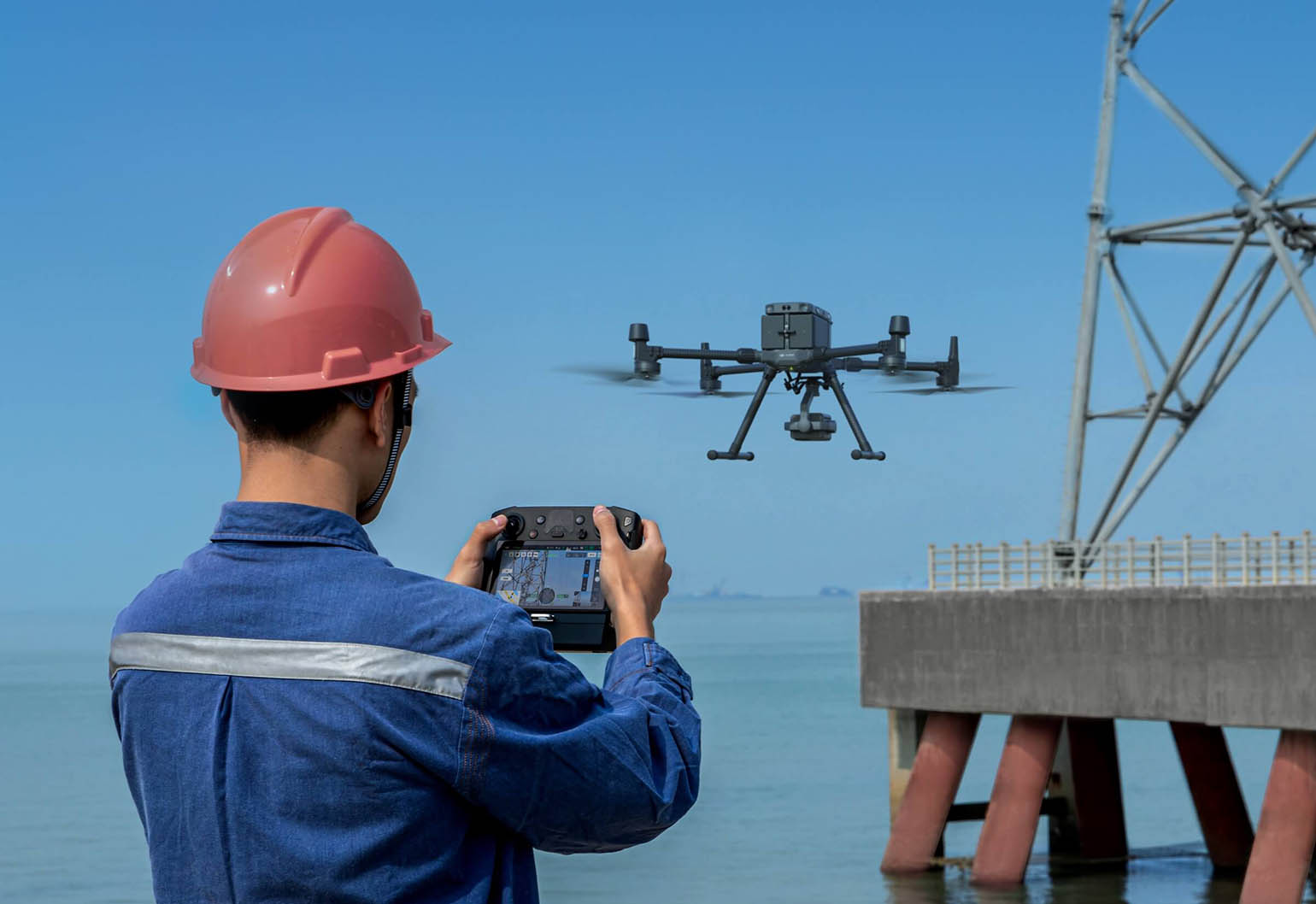
“When I was young, we designed and built go-karts as a means of learning about engineering principles. Drone training is very similar: it offers a gateway into discussing and learning about everything engineering,” he said.
“Whether it’s math, physics or science, there are an endless variety of ways to use drones as a tool for learning. I’ve had feedback from teachers at some of the schools who’ve said they could spend days just discussing the batteries, let alone all the other components of the technology.”
While the drone pilot schools program certainly gives students the opportunity to fly drones, Hussein said it also has a strong theory component, exposing young people to a range of technical insight that’s applicable in many different STEM professions.
“The theory component of the training covers everything from aerodynamics to mechanical, electrical and technological engineering, as well as meteorology,” he said.
“Drones really are the ideal technology for learning about STEM.”
Too cool for school
While drone technology has been gaining traction in industry for a few years now, Hussein said it is only just getting to the point of becoming mainstream, but in very futuristic and trendsetting ways.
“Drones have gained a lot of visibility within many different applications – from shark detection, to asset condition assessments, rescue missions, cinematographic footage and even take-out pizza delivery. Drones are the future and everyone’s accepted that they’re here to stay,” he said.
And this mainstream acceptance of chic applications is good news for the future of engineering, Hussein said.
“It’s generating momentum in burgeoning fields, including artificial intelligence, virtual reality, machine learning, coding and 5G communication, and it’s exposing young minds to the potential the technology has to offer and, in turn, bolstering the skill sets of the future,” he said.
While GDS offers free advice and lesson plans for primary schools, last year the company’s schools program trained 200 high school-aged students, delivering the Certificate III in Aviation (Remote Pilot), and there are currently 40 schools in Western Australia engaged in the training program.
But Hussein said GDS is expanding training to other high schools and colleges as demand accelerates.
“The future of our training programs really excites me, especially from a STEM education perspective. So while we are training drone pilots, which are increasingly needed in industry, we are also supporting young people to pursue careers in engineering,” he said.
“We certainly provide a service: we give schools access to training, help them deliver that training, and then we verify it. That’s the official role that we play.
“But it’s great to see our programs having a broader impact, creating a snowball effect. Not long ago, no-one knew much about drones. But now when we go to careers expos, all the school kids make a bee-line for our stall.
“They want to know more, they want to take a turn, because who doesn’t like playing with drones?”