
In a sharp rebuke to the expansion of aerial police surveillance, the Minneapolis City Council has rejected a pilot programme that would have seen drones deployed as first responders across the city. The proposal, which failed on a deadlocked 6-6 vote, faced overwhelming opposition from residents who packed into an overflow room at City Hall and submitted 165 pages of written testimony denouncing the scheme.
The ‘Drones as First Responders’ initiative would have allowed the Minneapolis Police Department (MPD) to partner with the California-based technology firm Skydio for a free 75-day trial. Under the plans, drones housed at a North Minneapolis fire station would have been dispatched to 911 calls, livestreaming video to help police assess the necessity of a physical response or to locate missing persons. Proponents of the scheme, spearheaded by Council member LaTrisha Vetaw, argued the technology would assist an understaffed police force and potentially save lives by improving response times. Mayor Jacob Frey also threw his weight behind the pilot, arguing that the city’s residents should not become “collateral damage because of geopolitics”.
However, the geopolitical connections of the drone manufacturer proved to be a fatal stumbling block for the proposal. Public comments revealed deep-seated outrage over Skydio’s role as a supplier to the Israeli military during the ongoing war in Gaza, as well as its contracts with US Immigration and Customs Enforcement (ICE). Council member Jamal Osman, who had previously supported the pilot, ultimately voted against it, stating that while he supports exploring new technology, the city must only contract with vendors that are not involved with “militaries that are killing other people”. Dozens of constituents echoed this sentiment, arguing that local tax dollars—even after a free trial period—should not enrich a company complicit in what residents described as genocide and the terrorising of immigrant communities.
Beyond international and federal concerns, the proposal struck a painful local nerve regarding privacy and the MPD’s troubled history with the communities it polices. Minneapolis residents expressed profound distrust in a police department currently operating under a consent decree following the 2020 murder of George Floyd and subsequent findings of race-based policing by the Department of Justice. Commenters feared the drones would lead to mission creep, transforming an emergency response tool into a persistent, warrantless surveillance network predominantly targeting Black and minority ethnic neighbourhoods. The trauma of ‘Operation Metro Surge’ was frequently cited, a period when residents endured the constant buzzing of low-flying federal drones monitoring neighbourhoods at night, which left many feeling like they were living under military occupation.
While the vast majority of the public feedback was fiercely critical, a minority of residents did write in support of the drones, citing rising crime rates, illegal auto chop shops, and the persistent dumping of rubbish in residential areas. These residents expressed frustration that police often arrive too late to catch perpetrators and suggested that drones could provide vital, rapid documentation of these offences.
Following the vote, Minneapolis Community Safety Commissioner Todd Barnette expressed disappointment, stating that the rejection deprived the city of the opportunity to base its policies on local, real-world evidence rather than assumptions. Yet for the residents who successfully campaigned against the measure, the decision marks a vital victory for civil liberties. As one community group noted in its petition, Minneapolis neighbourhoods cannot be treated as testing grounds for militarised technology, demanding instead that the city invest in housing, education, and human-centred community safety
Related
Discover more from sUAS News
Subscribe to get the latest posts sent to your email.

Dear FOI Officer,
I am seeking information under the Freedom of Information Act 2000 and, where relevant, the Environmental Information Regulations 2004, regarding State-aircraft (police) drone operations and the accident notification system.
- Please confirm whether the Isle of Sheppey incident of 2 August 2025, involving a Kent Police drone striking an overhead cable and injuring a child, was formally notified to the AAIB or CAA.
- Provide the date and reference number of any such notification and whether a safety investigation was opened.
- Supply the guidance or memorandum of understanding that governs incident notification and investigation responsibilities for State-aircraft (police) drones.
- Provide any statistical summaries or anonymised MOR data (Mandatory Occurrence Reports) concerning police-UAS accidents between 2023 and 2025.
Electronic response preferred.
Yours faithfully,
Richard Ryan
Barrister, Mediator & International Arbitrator
+447867807008
Related
Discover more from sUAS News
Subscribe to get the latest posts sent to your email.

Dear NPCC UAS Lead,
Following recent reporting of a police-operated UAS incident (serious injury to a child) and separate references to DFR/BVLOS trials within TDAs, I would be grateful for responses to the following points in the public interest. Please answer for NPCC policy and, where possible, provide force-level data or references to current guidance.
A. Safety governance, State-aircraft status, and “just culture”
- Framework: Under your State-aircraft arrangements, what documented Safety Management System (SMS) and occurrence reporting standards apply to police UAS operations nationwide? Please share the current NPCC UAS safety governance policy (or confirm document titles and locations if public).
- Equivalence: How do you ensure equivalent safety outcomes to the civil regime (had operations fallen under UK-retained Reg. 2019/947/CAP 722)?
- Just culture: What formal just-culture policy protects candid safety reporting while ensuring accountability? How is this implemented and audited across forces?
B. Occurrence reporting & accident investigation
- Mandatory notifications: For public-injury events, which body is notified (AAIB or other competent State-aircraft investigation authority)? What is the trigger threshold and timescale?
- Statistics: In the last 36 months, how many UAS occurrences involving injury or significant property damage were recorded by police forces? Please provide counts by severity, force, and whether a public report/learning bulletin was issued.
- Learning dissemination: What is the process and cadence for publishing anonymised safety lessons to the wider UAS community?
C. The Isle of Sheppey incident (2 August 2025)
- Notifications & preservation: Was the incident notified to the competent accident investigation body? Were raw flight logs, controller logs, and video preserved using a tamper-evident process?
- Causation factors: Did your internal analysis identify technical factors (e.g., geofencing, return-to-home logic, obstacle sensing), human factors (workload, visibility, training), or procedural gaps (site survey, overhead line identification) as causal or contributory?
- Public update: When will you publish a redacted lessons-learned summary covering risk mitigations implemented post-incident?
D. Data integrity, evidence, and misconduct prevention
- Deletion controls: What technical controls prevent operational personnel from deleting or altering mission footage/telemetry (e.g., write-once storage, automatic cloud offload, audit logs)?
- Audit & sanctions: How are audit trails reviewed, and what are the sanction pathways where evidence tampering is suspected?
E. Training, competence, and currency
- Standards: What are the minimum training/competency standards for police UAS pilots/observers, including BVLOS/DFR roles? Please provide the syllabus outline (air law, airspace, HF, emergency procedures, obstacle/power-line hazards).
- Currency checks: What recency and proficiency checks apply (e.g., periodic check rides, scenario-based training, simulator time)?
- Human factors: How is HF/CRM embedded and assessed in line with best practice from NPAS or civil aviation?
F. BVLOS/DFR trials and Temporary Danger Areas (TDAs)
- Legal basis & proportionality: What is the legal basis for the BVLOS/DFR surveillance concept over built-up areas, and how is necessity and proportionality assessed (incl. DPIA and retention periods for collected imagery)?
- Airspace impact: Prior to establishing TDAs (e.g., London, Coventry), what stakeholder consultations were undertaken with other UAS operators and how was economic impact (lost commercial operations) considered and mitigated?
- Deconfliction: What strategic and tactical deconfliction measures (procedural and technical) are used with other airspace users (manned and unmanned) inside/near TDAs?
- Public transparency: Will NPCC publish a public summary of each TDA trial’s safety case, mitigations, performance outcomes, and lessons learned?
G. Equipment, technical mitigations, and insurance
- Technical mitigations: What minimum equipment/automation standards apply (obstacle sensing, power-line awareness tools, geofencing parameters, lost-link logic, conspicuity, remote ID where applicable)?
- Insurance & redress: What public-liability arrangements cover injuries/damages arising from police UAS operations, and how is redress communicated to affected members of the public?
I would welcome a written response within 30 days. If any answers turn on documents not publicly available, please indicate whether they can be shared in redacted form or summarised.
Yours faithfully,
Richard Ryan
Barrister, Mediator & International Arbitrator
+447867807008
Related
Discover more from sUAS News
Subscribe to get the latest posts sent to your email.
We need to keep an eye on what the NPCC is upto, there is plainly a power struggle between them and the CAA at the moment. The CAA clearly has a mandate to ensure the safety of all airspace users.
The NPCC seem to be using DJI Docks and Matrice, so there’s a data privacy flag right out of the box! (See what I did there). Chinese comms in the heart of control rooms. Paging Huawei, paging Huawei.
It was really Police and Crime Commissioner (PCC) for Wiltshire, Philip Wilkinson who last week caught my attention, saying “Some of the most advanced drone systems are going to be built in Swindon, and that’s why I’m determined to have British drones for British police forces.”
He said that in the week of the canned Islington DFR trial. Perhaps Mr Wilkinson has news of a DJI factory opening up in Swindon?
The National Police Chiefs’ Council (NPCC) Drones as First Responder (DFR) programme is an initiative within the wider NPCC Drones Portfolio, focusing on leveraging technology to enhance public safety and police response. The DFR concept is essentially the deployment of remotely operated ‘drones in boxes’ from strategically located stations, primarily on rooftops, to arrive swiftly at the scene of an incident.
Superintendent Taryn Evans serves as the Strategic Lead for the NPCC Drones team and the Strategic Lead for UK Policing’s BVLOS Pathway Programme. She has been responsible for the national Beyond Visual Line of Sight (BVLOS) programme for policing for just over a year as of June 2025.
The DFR concept was initially supported by a multi-million-pound scheme, announced by the former Chancellor Jeremy Hunt, which proposed spending £230M rolling out time and money saving technology, including using drones as first responders.
The core objective of DFR is to provide near-immediate situational awareness directly into police control rooms, which can help commanders determine the best tools, tactics, and resources needed, often before officers arrive.
• Initial Simulation (Summer 2023): The first trial was led by Hampshire and Isle of Wight Constabulary (HIOWC) and Thames Valley Police (TVP) at the Isle of Wight Festival, where a simulated DFR capability was deployed alongside routine police drones.
This looks like a Herotech8 box, I am happy to be corrected.
• Project Eagle X (2024): This was cited as the first wide scale DFR trial in the UK, undertaken by Norfolk Police. Norwich was selected as an ideal test site because it currently has limited access to the National Police Air Service (NPAS) helicopters due to ‘proximity’.
• Norwich Demonstration (July/August 2024): A demonstration was held at the University of East Anglia (UEA) in Norwich, where a drone housed in a rooftop box was deployed to search for a man playing the role of a missing person, beaming back real-time imagery to an officer in a nearby police van. Norfolk Police initially planned for up to five drone sites to cover the entire city.
• Expanding Trial Sites: The trials have explored “every combination and innovation in Drone in a Box technology” across four pioneering trial sites. These locations include Norwich, Southampton, the West Midlands, and Gravesend.
◦ Norwich focused primarily on drone safety, connectivity, and integrating drone parachutes.
◦ Southampton focused on integration with the Department for Transport’s Solent Future Transport Zone project, testing feeds from radar and other detection equipment to facilitate safe BVLOS use.
◦ Gravesend and the West Midlands focused on feeding DFR video into control rooms, linking it with systems like number plate recognition, and using DFR in motorway, public order, and firearms incidents.
• Operational Integration (2025): The British Transport Police (BTP) became the first police force to operationalise remote ‘drone in a box’ technology in May 2025. By July 2025, Cleveland Constabulary had become the fifth force to adopt DFR technology, building on the success of earlier sites in Norwich, Southampton, London, and Coventry.
The widespread expectation is that DFR drones will “assist with area searches, road incidents, issues in town centres, public order incidents and the night-time economy”. However, the project is expected to undergo another two or three years of trials and analysis before becoming an operational part of police kit across the country.
One of the four pioneering DFR trial sites, Southampton, focused specifically on testing radar and other detection equipment.
• The trials in Southampton were integrated with the Department for Transport’s Solent Future Transport Zone project.
• These trials involved testing feeds from radar and other aircraft and drone detection equipment that facilitate the safe use of BVLOS drones.
• The Hampshire & Isle of Wight Constabulary (HIOWC) and Thames Valley Police (TVP) collaboration utilized a mobile radar station.
• This mobile radar station involved the latest Sparrowhawk radar system installation, supported by the Sparrowhawk team and Chris Stagg.
Superintendent Taryn Evans has provided clarity on the DFR programme’s objectives and progress, emphasising its role in augmenting, rather than replacing, human officers.
On the purpose of DFR, Supt Evans stated:
“We don’t anticipate this replacing officers or the response they give to emergency calls in anyway whatsoever. What we do hope to see is that gives them enhanced advantage in working out how to respond to those same calls. It might be that there’s a risk there that wasn’t reported to us by the people that called in that we need to be aware of and we would send different units there to deal with that accordingly”.
Reflecting on the progress of the trials, she noted:
“The Norfolk trial is an important showcase of just how effective DFR can be at supporting our response to 999 calls, arriving on scene quickly and giving invaluable ‘eyes in the sky’”.
She further detailed the benefit of running multiple trials:
“Each trial enables us to test how DFR could work in different environments and support different operational purposes, enhancing both public and officer safety”.
In a June 2025 update, Supt Evans highlighted the advancements made, particularly how the DFR trials are becoming integrated into routine policing:
“Our DFR trials have gathered significant pace over the last year with each one testing out how we can best exploit the potential of drones to support policing and improve the safety of our communities. This latest trial shows how DFR integrates with ‘business as usual’ policing. The drone can be remotely deployed from the control room as a key resource in responding to incidents, supporting both community and officer safety”.
She also acknowledged the significant contributions of drone pilots to the programme’s success:
“None of it would be possible without our extended network of professional pilots who give their time and expertise freely, often in between long and tiring shifts, all because they want to see this technology embedded in policing with the purpose of protecting their communities and their colleagues”.
The use of drones by dedicated pilots resulted in high deployment numbers for a recent six-month period
(October 1, 2024 – March 31, 2025), which Supt Evans noted included:
• 26,584 deployments over 8,953 minutes.
• 721 suspects located.
• 649 missing people located.
• 163 vehicles located.
Supt Evans is focused on ensuring the adoption of this technology is safe, stating that the project is “working very closely with the National Police Chiefs’ Council and the Home Office to make sure that we have a safe operating model for beyond line of sight drone as a drone responder”
Related
Discover more from sUAS News
Subscribe to get the latest posts sent to your email.
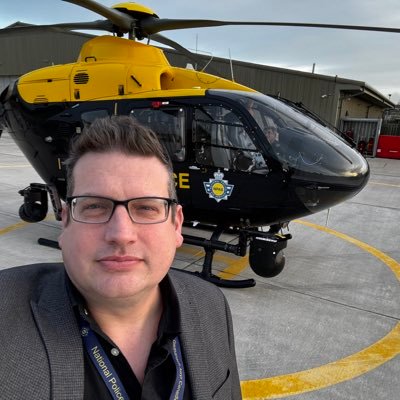
The National Police Air Service (NPAS), in partnership with the National Air Traffic Control Service (NATS) and the Civil Aviation Authority (CAA), is embarking on the UK’s most ambitious trial of uncrewed aircraft in support of policing.
The trials will assess the feasibility of using ‘beyond the visual line of sight’ (BVLOS) uncrewed aircraft systems, known as UAS, to work alongside traditional police helicopters and aeroplanes in delivering air support to police forces across England and Wales.
As part of the pioneering project, NPAS has been awarded a position in the CAA’s BVLOS Integration Sandbox.
The CAA is the UK’s aviation regulator, ensuring the industry meets the highest safety standards. Sandboxes are controlled environments where organisations can test and develop new technology against the regulatory framework, helping applicants maximise the readiness of their innovation, and the CAA to evolve regulations.
For NPAS to be awarded a position in the Sandbox is a significant step forward in its Futures and Innovation Programme.
Sophie O’Sullivan, Director of Future of Flight at the UK Civil Aviation Authority, said:
“These innovative trials mark a significant step forward in integrating drones safely into UK airspace.
“Our goal is to make drone operations beyond visual line of sight a safe and everyday reality, contributing to the modernisation of UK airspace and the incorporation of new technology into our skies.”
As the UK’s leading provider of air traffic control services, NATS is also supporting NPAS with the approval of trial airspace for the uncrewed aircraft, plus airspace integration and safety oversight.
Along with the skills and experience of the police aviation team at NPAS, the partnership brings together the very best expertise in aviation safety and air support to explore the potentially exciting opportunities that uncrewed aircraft could offer policing in the future.
Richard Ellis, NATS New Airspace Users Director, said:
“We are absolutely delighted to be working with NPAS on what is a pioneering project, both for the future of policing and the wider adoption of drones in the UK. NPAS is combining leading technology with an innovative approach and focus on safety, something that aligns perfectly with NATS’ ambition to enable an integrated airspace for all users. We are hugely excited to be working together to demonstrate this pivotal user case and provide valuable data to the CAA.”
The trials are funded by the Home Office as part of a wider investment into drone technology in policing.
David Walters, Head of Futures and Innovation at NPAS, said:
“As technology advances, so too do the opportunities for police air support. The trial will be operating uncrewed aircraft capable of staying airborne for more than six hours and fitted with mission equipment comparable to those on the existing NPAS fleet. If trials are successful, this will enable delivery of a highly capable blended fleet of police helicopters, aeroplanes and uncrewed aircraft in future years.”
If adopted, the UAS will be flown by qualified NPAS pilots, supported by highly experienced tactical flight officers.
“Nothing replaces the value that the skills and experience of NPAS pilots and tactical flight officers bring to policing,” added David.
“These trials are about enhancing the aviation service delivered by our traditional aircraft and crews and creating a blended fleet which offers even greater capabilities.
“NPAS is highly regarded within the regulatory environment for its high standards of safety and compliance, making it perfectly placed to lead these trials.”
If the concept is proven, the vision is for our highly skilled crew members to pilot the uncrewed aircraft from selected NPAS bases, using the experience and expertise of our tactical flight officers to maximise their effectiveness in delivering successful police operations.
The trials, which are expected to begin in Spring 2025, will be run from an existing NPAS base in the South West region, selected for its unique position to operate over water for aircraft shakedown testing, and then progress inshore once levels of safety assurance have been met.
NPAS is currently working with BlueLight Commercial to procure a supplier for the UAS which is to be trialled.
Discover more from sUAS News
Subscribe to get the latest posts sent to your email.
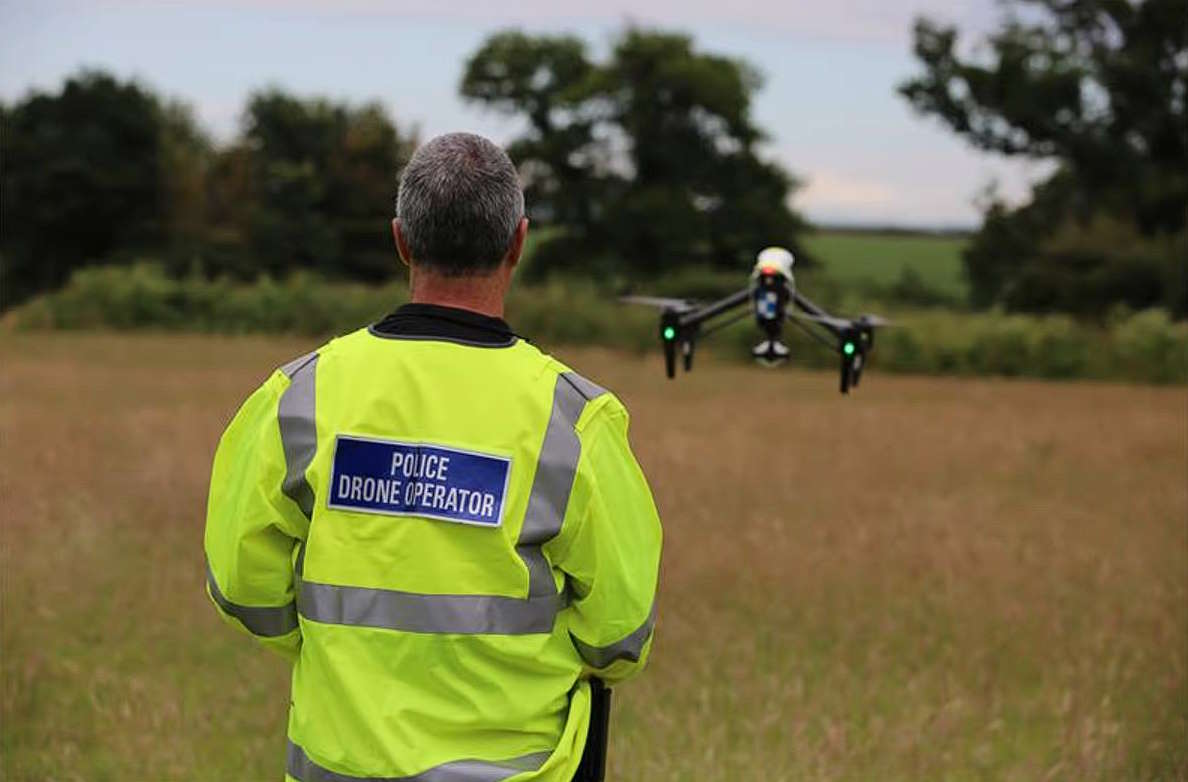
Ref: 24/84
Location: Gainsborough Police Station
Grade/salary: SG1 (£31,755 – £35,982)
Contract: Permanent
Full time: 37 hours
Vetting Requirement/Residency: Recruitment vetting, 3 year residency
Closing date: 20 August 2024
Interview date: TBC
To assist the Chief Pilot (Drones) in the development, management, and delivery of operational drone deployments within Lincolnshire Police, in compliance with the Civil Aviation Authority PDRA 01. Assist the Chief Pilot in delivering the capability and capacity requirements identified in the Force’s Operations Manual, adhering to the defined Standard Operating Procedures and Risk Assessments.
To deputise for the CPD when necessary/required.
To ensure all training is delivered in accordance with force policy and forthcoming Authorised Professional Practice Police (APP).
To develop and deliver drone training, ensuring all students and staff are confident, knowledgeable, and skilled to required standards.
Always demonstrate the force values by being open, courageous, fair and inclusive and in accordance with the principles of the Code of Ethics. The aim of the Code of Ethics is to support each member of the policing profession to deliver the highest professional standards in their service to the public.
Shift pattern
The standard shift pattern for the role is shown, however flexible working patterns will be considered on a full and part-time basis. Applications will be considered on an individual basis and all requests must meet the organisational need as well as individual need, which can be determined with the successful applicant.
| Monday | Tuesday | Wednesday | Thursday | Friday | Saturday | Sunday | |
| Week 1 | 0800 – 1600 | 0800 – 1600 | 0800 – 1600 | 0800 – 1600 | 0800 – 1530 | RD | RD |
What Lincolnshire Police can offer you:
The health, happiness and wellbeing of our colleagues is vitally important at Lincolnshire Police, and we offer the following benefits:
- Competitive salaries
- Generous annual leave entitlements
- Local Government Pension Scheme
- Flexible working schemes
- A dedicated Health and Care Team with an in-house Occupational Health Service
- Mental Health Support with free Counselling Services and Chaplaincy Support
- Family Support and Menopause Support Networks
- Financial Wellbeing Support
- Eligibility to join the Blue Light Scheme and obtain a range of online and High Street Discounts
- Free Eye Tests with Spec Savers
- Cycle to Work scheme
- Free gym access at a number of Lincolnshire Policing Sites
- Staff Recognition including Making a Difference Awards, Long Service Awards, and commendations
How to apply
Please make clear on your application form which shift pattern you wish to be considered for.
Download the job description and person specification for this role below:
Ensure you complete and return both forms. Clearly state which job you are applying for and include the reference number.
Previous applicants need not apply.
Important information
- Incomplete or late application packs will not be considered.
- Please provide a valid and current email address as correspondence relating to your application will be sent by email.
- CVs will not be considered. You may supply additional sheets of information but only information relevant to the questions will be considered.
- As an applicant your conduct towards our employees is assessed at all times. We expect you to show courtesy and respect towards members of staff during the recruitment process. A record will be made of any inappropriate behaviour and this could result in your application being rejected.
Discover more from sUAS News
Subscribe to get the latest posts sent to your email.

uAvionix, a leading provider of command, navigation, and surveillance technologies for drones, today announced that the Oswego City Police Department’s Drone as a First Responder (DFR) program has received Federal Aviation Administration (FAA) approval for operations Beyond Visual Line of Sight (BVLOS) without Visual Observers (VOs) using the uAvionix Casia G ground-based detect-and-avoid (DAA) system. This milestone approval allows the police department to operate small Unmanned Aerial Systems (sUAS) as a first response to emergency calls, bringing enhanced response times, situational awareness, and safety to the public and officers.
A key factor in the success of Oswego’s DFR program is the implementation of uAvionix’s Casia G product. Casia G, an advanced DAA solution, provides critical airspace awareness, enabling safe BVLOS operations. The integration of Casia G ensures that Oswego’s drones can operate safely and effectively without the need for human Visual Observers, enhancing the overall efficiency of their response to emergencies.
“We wouldn’t be celebrating this milestone today without the unwavering support of the Mayor and Common Council, whose dedication to public safety has paved the way for this groundbreaking initiative. Additionally, our gratitude extends to UVT and uAvionix for their invaluable assistance throughout this journey, underscoring the collaborative spirit driving innovation in public safety,” said Chris Baker, Systems Administrator and Drone & Robotics Coordinator for Oswego City, NY.
“The achievement marks a pivotal moment for police departments, emergency services, and fire departments nationwide,” noted Jon Damush, uAvionix CEO. “The use of our Casia G product in Oswego’s DFR program exemplifies how advanced technology can enhance public safety operations. Future approvals for Police, EMS, and Fire departments adopting the same approach are expected, paving the way for widespread adoption of DFR programs across the United States.”
DFR programs are revolutionizing the way police departments respond to emergencies. By deploying drones equipped with advanced surveillance and communication technologies, police can gain immediate situational awareness of an incident scene before officers arrive. For example, a drone may be able to confirm or refute the possession of a firearm or allow the captain to give guidance to a junior officer. This capability not only enhances the efficiency and effectiveness of police response but also helps in allocating resources more strategically.
uAvionix has been pioneering innovative technologies for the safe integration of UAS into the national airspace since 2015. In October 2023, they acquired Iris Automation, the original developer of the Casia G Detect and Avoid system. This acquisition strengthens uAvionix’s core offerings for enabling Beyond Visual Line of Sight (BVLOS) operations, which include the Casia G ground-based system that detects nearby aircraft to ensure safe drone operations, and FlightLine, which collects and displays ADS-B surveillance data.
uAvionix invites police departments and public safety agencies to explore the benefits of DFR programs. To learn more about how uAvionix can support your department’s drone integration efforts, visit uAvionix.com today.
About uAvionix
uAvionix was founded in 2015 with the mission of bringing safety solutions to the unmanned aviation industry to aid in the integration of Unmanned Aircraft Systems (UAS). A fundamental principle of that mission is to provide solutions that allow all airspace users a common situational awareness of the airspace. uAvionix consists of an unparalleled engineering and management team with a unique combination of experience encompassing avionics, surveillance, defense operations, airport services, UAS aircraft development, radio frequency (RF), and semiconductor industries.
For more information about Casia G and other innovations, please visit: www.uavionix.com
]]>